
Let’s face it—vaping is everywhere these days. With the rise of sleek devices and an endless array of flavors, it’s hard not to get curious about trying out a nicotine vape. But here’s the burning question: Is nicotine vape really bad for you? While it might seem like the “cool” alternative to smoking, it’s important to dive deeper into what vaping does to your body. In this blog, we’re unpacking the good, the bad, and the vapor-filled truth about nicotine vapes. Whether you're a vaping pro or just starting out, it's time to get the facts straight and decide if this cloud-chasing habit is worth it.

1.What Is a Nicotine Vape?
A nicotine vape is an electronic device that turns liquid nicotine into vapor for inhalation. Unlike traditional cigarettes that rely on burning tobacco to create smoke, vapes use heat to vaporize a liquid, providing a smoother, less harsh experience. This vapor is inhaled by the user, offering a different way to consume nicotine without the harmful combustion byproducts of regular cigarettes.
What's Inside Vape Juice?
Vape juice, also known as e-liquid, primarily consists of nicotine, propylene glycol (PG), vegetable glycerin (VG), and flavoring agents. The nicotine is the key ingredient, delivering that familiar buzz, while PG and VG help produce vapor and ensure a smooth experience. The flavoring can range from fruity notes to dessert-inspired options, offering a wide variety of choices that traditional cigarettes simply can’t match.
A Smoking Alternative
Many people turn to nicotine vapes as a way to reduce their dependence on traditional cigarettes, especially those who want to gradually cut down on nicotine intake. In fact, some users even opt for nicotine-free versions of vape juice as a step toward quitting altogether. Vapes offer the flexibility to control your nicotine consumption in a way that cigarettes can’t.
Precise Control Over Nicotine Intake
One of the major benefits of vaping is the ability to control the amount of nicotine you consume. Most vapes offer various nicotine strengths, from low (2%) to high (5%) concentrations, allowing users to adjust based on their preference. This "on-demand" vaping makes it easier to wean off nicotine or find a comfortable level without the need for drastic changes.
Versatile Devices: Convenience Meets Style
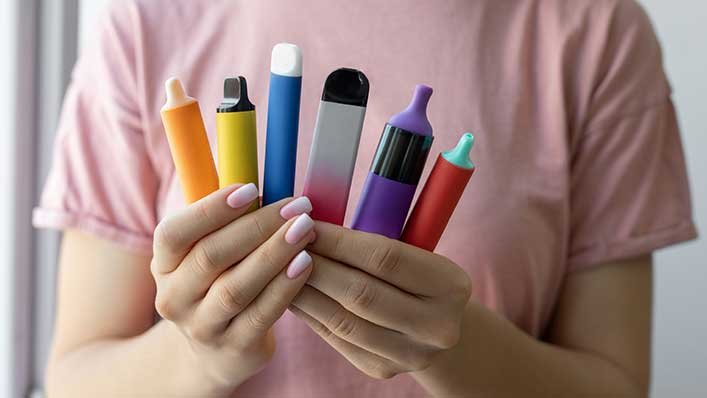
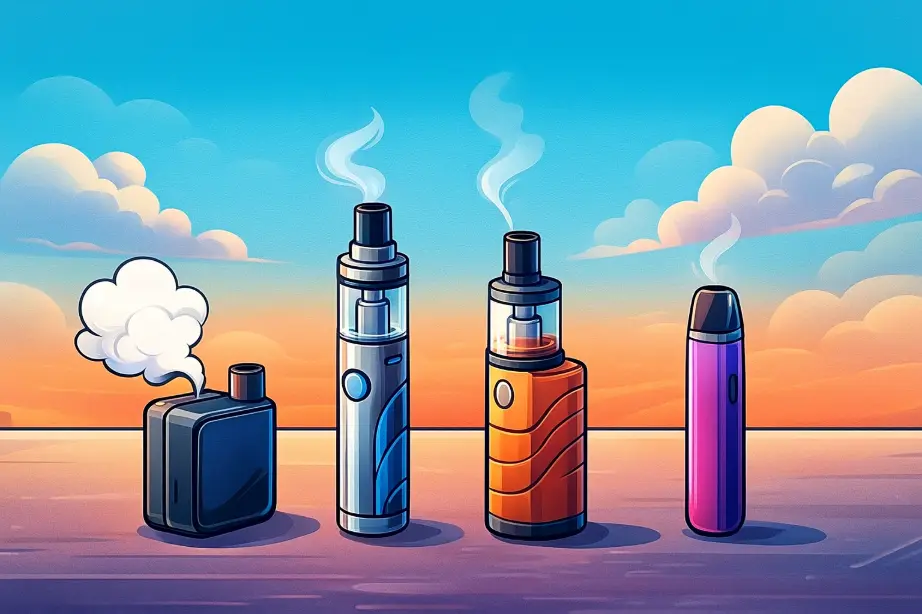
Vapes come in a variety of forms. Disposable vapes are perfect for convenience, requiring no refills or maintenance. Pod systems (small vapes) are portable and user-friendly, while box mods (larger, more customizable devices) are designed for seasoned vapers who want to fine-tune their vaping experience. No matter your level, there’s a vape to suit your style and needs.
Endless Flavor Options
One of the most exciting aspects of vaping is the massive range of flavors available. Whether you prefer the cool taste of mint, the tropical sweetness of mango, or the rich notes of coffee, vaping lets you enjoy a variety of experiences far beyond the limitations of traditional cigarettes. The possibilities are endless, making vaping a fun and dynamic experience.
Nicotine Still Comes With Risks
Despite its appeal, nicotine remains an addictive substance. While vaping may seem less harmful than smoking, it still affects the brain’s neurotransmitters, which can lead to addiction. This is especially concerning for young people, who are more susceptible to developing habits due to the wide range of flavors that make vaping more attractive to them.
Regulations Are Evolving
As vaping continues to grow in popularity, governments around the world are introducing stricter regulations. Many countries have age restrictions for purchasing nicotine vapes, as well as limits on nicotine content in vape juice. There are also regulations on advertising, all of which aim to reduce misuse and ensure that vaping is a safer alternative for adults rather than a gateway for younger audiences.
1.1 How Does It Work?
Nicotine vapes are powered by a small battery that gets the entire process started. When you press a button or simply take a puff, the circuit is activated, and power flows directly to the atomizer (the heating element), which is essentially the engine of the vape.
Battery Powers the Atomizer
Inside the vape, there's a small battery that provides the energy needed to heat the liquid. When you hit that button or take a draw, it sends power to the atomizer, which heats up and gets everything moving. Think of the atomizer as the engine that gets the vape rolling!
Heating the Vape Juice
The vape juice (or e-liquid) is stored in a tank or pod. Once the atomizer gets going, it rapidly heats up the juice, turning it into a smooth vapor. This vapor is what you inhale, giving you that "smoking" experience without the harmful smoke or combustion.
Vapor With Nicotine and Flavor
But here's the kicker: unlike regular steam, this vapor isn’t just water. It contains nicotine and flavoring compounds. As you inhale, the nicotine enters your mouth, travels down your throat, and makes its way to your lungs, where it enters your bloodstream, delivering that satisfying hit.
Auto or Manual Activation
Some vapes are designed to be automatic, meaning as soon as you inhale, the device starts heating and vaporizing. Other vapes require you to press a button to get things going. Both options are user-friendly, but the automatic ones are super convenient since there’s no button-pressing involved—just inhale and go!
The Juice Ratio Affects Your Experience
Vape juice is made from a mix of ingredients like propylene glycol (PG) and vegetable glycerin (VG), which affect how the vapor feels. PG gives you that throat hit (similar to the feeling of smoking), while VG creates thicker, denser clouds of vapor. The right balance of PG and VG in the juice determines how smooth your inhale is, how much vapor you get, and how harsh or gentle the throat hit feels.
So, when you vape, it’s all about that battery-powered magic, turning liquid into vapor and delivering the right amount of nicotine and flavor for an experience tailored just for you.
.jpeg?w=600&h=600)
2. What Effect Does a Nicotine Vape Have?
You might be wondering: Is nicotine bad for you?Nicotine vapes have become increasingly popular, but it’s essential to understand both the benefits and potential side effects of vaping with nicotine. Below, we dive into the positive impacts and risks that come with using a nicotine vape.
2.1 Positive Effects
Helps Reduce Dependence on Traditional Cigarettes
For long-time smokers, a nicotine vape can serve as a transition tool. It allows users to reduce their intake of burned tobacco, providing a healthier alternative to smoking. By cutting down on the harmful chemicals found in traditional cigarettes, vapers may experience less physical strain.
Provides an Alternative to Ease Withdrawal Symptoms
When quitting smoking, many experience symptoms like anxiety, irritability, and difficulty concentrating. Nicotine vapes can temporarily alleviate these withdrawal effects, making the process of quitting smoother and less uncomfortable.

Adjustable Nicotine Intake for Gradual Reduction
One of the significant benefits of nicotine vapes is the ability to adjust nicotine levels. With different concentrations of nicotine available (like 2%, 3%, or 5%), users can gradually lower their intake over time. This offers a structured way to reduce nicotine dependency or even transition to nicotine-free options.
Fewer Harmful Chemicals Than Traditional Cigarettes
Unlike cigarettes, which produce harmful tar and carbon monoxide through combustion, vapes do not burn tobacco. This means that vaping typically results in fewer toxic byproducts, theoretically lowering the risk of certain health issues associated with smoking.
Less Impact on Others
Vapes produce vapor, not smoke, and the vapor evaporates quickly. It leaves behind a much lighter scent compared to cigarettes, which means it’s less likely to stick to clothes or linger in a room. For those around you, the impact of vaping is generally less uncomfortable.
Positive Reinforcement
Nicotine activates dopamine in the brain, which gives users a sense of pleasure and satisfaction. This "feel-good" feeling can help boost mood and energy levels, which is why many people find it easy to return to vaping regularly. Over time, however, this could lead to the development of a habit.
Potential Weight Control Effects
Nicotine has been shown to suppress appetite and can boost metabolism, potentially leading to slight weight loss. However, this effect is not a healthy method for weight control and might mask other underlying dietary issues.
Short-Term Boost in Focus and Performance
Some studies suggest that nicotine can temporarily enhance concentration and alertness. It might also improve athletic performance for a brief period. However, these effects are short-lived and can place stress on your cardiovascular system over time
2.2 Negative Effects
Nicotine’s Addictiveness
Nicotine is a highly addictive substance. Whether consumed through smoking or vaping, it stimulates the brain's reward system, leading to dependency. Over time, the addiction can be challenging to overcome, making it difficult for users to quit.
Impact on Teenage Brain Development
Nicotine exposure during adolescence can disrupt brain development, particularly in areas related to learning, mood regulation, and attention control. Research has also shown that early exposure increases the risk of developing addiction to nicotine in adulthood.
Cardiovascular Stimulation
Nicotine has a stimulating effect on the cardiovascular system. It can increase heart rate and blood pressure, which may raise the risk of hypertension, heart disease, and stroke. For individuals already dealing with cardiovascular issues, nicotine can be particularly harmful.
Potential Respiratory Irritation
Although vaping doesn’t involve burning tobacco, the process of heating vape juice can release irritating compounds. Frequent use can cause symptoms like coughing, throat discomfort, or shortness of breath, particularly for those with preexisting respiratory conditions.
Uncertain Safety of Some Vape Juice Ingredients
The quality of vape juice can vary widely, with different brands using varying ingredients like flavorings, solvents, and preservatives. Some of these chemicals might produce harmful byproducts when exposed to high temperatures, and the long-term health effects of these substances remain unclear due to limited large-scale research.
3. Is Nicotine Good for Your Brain?
Nicotine is one of the most widely used stimulants in the world, commonly found in tobacco products and increasingly in vapes. While many people use nicotine for its immediate effects, its long-term impact on the brain is a subject of concern. So, what exactly does nicotine do to your brain, and is it good for you?
1. Short-Term Effects of Nicotine on the Brain
Stimulates Neurotransmitter Release
When nicotine enters your body, it quickly activates nicotinic acetylcholine receptors in the brain. This stimulation leads to the release of several key neurotransmitters, such as dopamine, norepinephrine, and serotonin. These chemicals are responsible for feelings of pleasure and alertness. The result? You might feel a sudden rush of excitement or even a sense of euphoria after inhaling nicotine. This is one of the reasons why many smokers or vapers feel more “awake” or “energized” after using nicotine.

Temporarily Improves Focus and Reaction Time
Research has shown that low doses of nicotine can enhance cognitive functions in the short term. This includes improved attention, faster reaction times, and better short-term memory. Some users report feeling like their brain is "sharper" or more focused after nicotine use. It’s like a little mental boost that can make tasks feel a bit easier—at least for a while.
Alleviates Stress and Anxiety (for Habitual Users)
For those who are already dependent on nicotine, it can provide a sense of relief from withdrawal symptoms, such as irritability, anxiety, or difficulty concentrating. However, this "relaxation" is not truly reducing stress; it's simply satisfying the body’s craving for nicotine. In fact, long-term use of nicotine may increase overall levels of anxiety and stress. But for habitual users, the temporary relief feels like a must-have.
2. Long-Term Effects of Nicotine on the Brain
Addiction Mechanism Disrupts the Brain’s Reward System
Nicotine is incredibly addictive. It works by activating the brain’s reward circuitry, specifically the dopaminergic pathways, which are responsible for feelings of pleasure and reward. When these pathways are repeatedly stimulated by nicotine, the brain starts to crave more, leading to a cycle of addiction. Over time, this constant reinforcement makes it difficult for the brain to rely on natural sources of pleasure. Essentially, the brain’s normal reward system becomes "broken," and the individual is dependent on nicotine to experience positive feelings.
Impact on Adolescent Brain Development
Nicotine has a particularly harmful effect on the developing brains of teenagers. The adolescent brain is still undergoing significant growth, especially in areas like the prefrontal cortex, which is responsible for decision-making, impulse control, and emotional regulation. Nicotine exposure during this critical period can interfere with the development of these regions, potentially leading to long-term impairments in cognitive function, emotional regulation, and decision-making skills. Some research even suggests that early exposure to nicotine increases the likelihood of addiction later in life.
Associated with Mental Health Disorders
Long-term nicotine use is linked to an increased risk of mental health disorders such as anxiety, depression, and attention deficit hyperactivity disorder (ADHD). While nicotine may offer short-term relief for some users, it can disrupt the brain’s chemistry over time, leading to fluctuations in mood and mental health. For instance, while a user may feel a temporary uplift from nicotine, prolonged use can exacerbate stress and anxiety, creating a cycle where the user continues to turn to nicotine for relief.
4. What Does Nicotine Do to the Body?
Nicotine is the addictive substance found in tobacco products and vapes, and while it may offer short-term relief or a "buzz," its long-term effects on the body are concerning. Below, we’ll break down how nicotine affects various systems in the body, from your heart to your digestive system.
Cardiovascular System Effects
Increases Heart Rate and Blood Pressure
When nicotine enters the bloodstream, it stimulates the sympathetic nervous system, which triggers the release of adrenaline. This causes your heart rate to increase and blood vessels to constrict, which in turn raises your blood pressure. While this might feel energizing in the short term, repeated exposure to this heightened state can increase the risk of heart disease and high blood pressure over time. This is one of the key factors in the development of cardiovascular issues in smokers and vapers.
Constricts Blood Vessels
Nicotine causes blood vessels to tighten, making them narrower, which restricts blood flow. This effect is most noticeable in the extremities, like your hands and feet, leading to cold, numb, or tingling sensations. Over time, this can affect circulation and contribute to vascular problems, making it harder for blood to flow freely to various organs.
Increases Risk of Blood Clots
Nicotine can also make your blood "stickier" by increasing platelet aggregation (the clumping together of blood cells). This increases the likelihood of blood clots, which are a major contributor to strokes, heart attacks, and other serious cardiovascular events. The more frequently nicotine is consumed, the higher the chances of clot formation, which can have fatal consequences.
Respiratory System Effects
Irritates Airway Passages
Even though e-cigarettes don't produce the tar and toxic chemicals found in traditional cigarettes, nicotine itself can irritate the mucous membranes in the throat and lungs. This irritation can lead to a sore throat, coughing, and shortness of breath. Some users might experience chest tightness or a sensation of tightness in the lungs, especially after repeated or prolonged use.
Weakens Lung Defenses
Nicotine has been shown to impair the function of the lung’s epithelial cells, which are responsible for repairing and defending against harmful pathogens. With prolonged nicotine exposure, the lungs become more vulnerable to infections, bacteria, and viruses. This can increase the risk of respiratory illnesses, including bronchitis, pneumonia, and even chronic obstructive pulmonary disease (COPD).
Digestive System Effects
Increases Stomach Acid Production
Nicotine stimulates the production of gastric acid in the stomach, which can lead to a number of digestive problems. This can cause discomfort like acid reflux, heartburn, or even stomach ulcers. Over time, excessive acid can erode the lining of the stomach, leading to more serious conditions like gastritis or ulcers.
Affects Gut Movement
Nicotine also impacts the motility (movement) of the gastrointestinal tract. It can temporarily speed up the movement of food through the intestines, leading to frequent bowel movements, diarrhea, or a sense of urgency. However, long-term nicotine use can disrupt the normal rhythm of the digestive system, leading to chronic digestive issues such as constipation or bloating.
Hormonal and Metabolic System Effects
Interferes with Insulin Function
Nicotine has been found to reduce the sensitivity of the body to insulin, the hormone that regulates blood sugar levels. This can result in higher blood sugar levels and can make it more difficult to manage diabetes. For individuals who already have diabetes, nicotine use can exacerbate their condition and increase the risk of complications.
Boosts Metabolism, But Increases Stress
Nicotine temporarily speeds up metabolism by stimulating the release of adrenaline. This effect can increase calorie burning and provide a short burst of energy, which is why some people report feeling more "awake" or energized after using nicotine. However, this stimulation also places the body in a state of stress, increasing the release of cortisol (the stress hormone). Over time, this can lead to heightened fatigue, irritability, and a feeling of being "burnt out."
5. How Long Does Nicotine Stay in Your System?
Nicotine is quickly absorbed into the bloodstream and affects the body almost immediately after consumption. However, its journey through the body and how long it stays can vary significantly depending on a variety of factors, such as the method of use, frequency, and individual characteristics. Here's a deeper look at how long nicotine stays in your system and what factors can affect its presence.
1. The Journey of Nicotine in the Body:
Typically, nicotine metabolizes within 1 to 3 days
For most healthy adults, nicotine doesn't stay active in the body for long. After consumption, it usually takes around 1 to 3 days for the body to metabolize and eliminate nicotine through urine. This is the time it takes for nicotine to become undetectable in the bloodstream.
Nicotine's metabolites stay longer
While nicotine itself doesn’t linger for long, its metabolites—like cotinine—can remain in the system much longer. These by-products can stay in the body for 7 to 10 days, and in frequent users, they may last up to two or even three weeks.
2. Different Testing Methods:
Blood Test: 1 to 3 days
Nicotine can be detected in the blood within a few hours of consumption, but typically, it’s metabolized and eliminated within 72 hours. If the test is for metabolites like cotinine, however, it can remain detectable for a longer period.
Urine Test: 3 to 7 days, or even longer
Urine tests can detect nicotine and its metabolites for a longer period compared to blood tests. For light users, the nicotine might be gone in about 3 to 4 days, but for heavy or frequent users, it can linger for over two weeks.
Saliva Test: 1 to 4 days
Nicotine remains detectable in saliva for about 1 to 4 days. This duration is influenced by the frequency of nicotine use and individual metabolism rates.
Hair Follicle Test: Up to 90 days
The longest window for detecting nicotine in the body is through hair follicle testing. Nicotine metabolites can be trapped in the hair for months, meaning a test could potentially reveal nicotine usage for up to 90 days after the last use.
3. Factors That Affect Nicotine's Stay in Your System:
Individual Metabolism Variations
People’s metabolic rates differ, meaning some individuals clear nicotine from their system much faster than others. Those with faster metabolisms might eliminate nicotine within 24 hours, while others may take several days to clear it from their system.
Frequency and Amount of Nicotine Consumption
Occasional users will have nicotine leave their systems faster than regular or heavy users. Heavy users accumulate more nicotine and its metabolites, which naturally extends the time it takes for the body to clear them.
Age and Overall Health
Age and liver function play significant roles in how long nicotine stays in the system. Older adults or those with impaired liver function may find that nicotine stays in their system longer. Similarly, those with metabolic conditions may experience slower clearance.
Diet and Hydration
Drinking plenty of water and maintaining a healthy diet can help speed up nicotine metabolism. Dehydration or poor nutrition can slow down the process, causing nicotine and its by-products to linger longer in the body.
Pregnancy Status
Pregnant women may metabolize nicotine slightly faster than non-pregnant individuals. However, this does not make nicotine use safe during pregnancy. In fact, nicotine exposure during pregnancy can severely harm fetal development and should be strictly avoided.
6. Nicotine Effects: Real Stories from Users
The effects of nicotine on the body are widely discussed, but real-life experiences give us a deeper, more personal look at how nicotine impacts users. Whether through vaping or traditional smoking, many people have shared their journeys and the effects nicotine has had on their lives. Below are some firsthand accounts from users of different vape brands, using various vape juices, and their take on the physical, emotional, and psychological effects they’ve experienced.
1. Sarah's Experience: "Vaping Helped Me Cut Down on Cigarettes"
Sarah, a 29-year-old from New York, spent over a decade smoking traditional cigarettes. For her, quitting was always a struggle, especially when faced with the stress of work and personal life.
"I started vaping about two years ago because I wanted to cut back on smoking. I was using a popular vape brand and started with a high nicotine vape juice—around 5% nicotine concentration. At first, I wasn’t sure if it was working, but after a few weeks, I noticed that I wasn’t reaching for a pack of smokes every time I got stressed. Instead, I’d just vape, and it gave me the same calming effect without all the chemicals in regular cigarettes."
However, while Sarah found some success with vaping, she quickly realized that the nicotine still had its grip.
"I thought vaping was a way to ease into quitting entirely, but it wasn’t long before I noticed I was still reliant on the nicotine. The 5% concentration was too strong for me, and even though I had cut down on cigarettes, I was still using vape juice multiple times a day, which wasn’t ideal. Eventually, I switched to a lower nicotine vape juice, around 3%, which helped me feel less dependent."
Sarah's takeaway: While vaping helped her transition away from traditional cigarettes, she recognizes the importance of reducing nicotine intake gradually to break free from addiction altogether.
2. Jake's Story: "Vaping Gave Me an Energy Boost—But at a Cost"
Jake, 22, had been using vape juices from a well-known vape brand for over a year. He was initially drawn to vaping because of the cool flavors and the convenience it offered compared to traditional smoking.
"I was using a fruit-flavored vape juice with about 3% nicotine. It started as something fun, but I noticed that after a few puffs, I felt more alert and energized. At first, I was just enjoying the flavors, but eventually, I realized the nicotine was giving me a serious buzz. It felt like a quick pick-me-up when I was tired or distracted."
But after some time, Jake started feeling the negative effects of his nicotine use.
"I started getting headaches, especially after long sessions of vaping. Sometimes, my hands would shake, and I felt a bit jittery—like too much coffee. I even noticed I was getting anxious at times. The worst part? I couldn’t focus as well without my vape. It was like I had to keep it with me all the time to function properly."
Jake eventually began to cut back.
"I switched to a lower-nicotine vape juice, and it helped with the shaking and anxiety. I still enjoy vaping, but I’ve become a lot more mindful of my intake."
Jake's takeaway: While nicotine gave him an initial energy boost, Jake learned that moderation is key, as high nicotine concentrations led to negative side effects like anxiety and shakiness.
3. Emily’s Struggle: "The Addiction Is Real"
Emily, 35, from Los Angeles, had been using vaping as an alternative to smoking for almost three years. At first, she was excited about the flavors and the "healthier" option, choosing a popular vape brand that offered a variety of choices.
"I started using vape juice with a 5% nicotine concentration. At first, it felt like I had control over it. I’d vape a few times during the day, and it helped with my stress. But gradually, I started needing it more. I’d find myself vaping in the morning, during work, and before bed. It became my routine."
The initial benefits she felt from vaping soon turned into an overwhelming need.
"The real wake-up call came when I realized I was addicted. I tried to go without vaping for a day, and I felt irritable and anxious. I couldn’t focus at work and felt like something was missing. It was eye-opening for me to realize that I was now dependent on nicotine in a way I didn’t anticipate."
Emily is now working to reduce her nicotine consumption slowly.
"I’ve cut down to a 3% nicotine vape juice, and I'm trying to vape less each day. I’m also looking for other ways to manage my stress that don’t involve nicotine."
Emily's takeaway: While she initially thought vaping would be a healthier alternative, Emily realized that nicotine dependency can happen just as quickly with vapes as with traditional smoking. Reducing nicotine levels gradually is the key to regaining control.
7.What Are the Safest Nicotine Vapes in 2025?
As vaping continues to evolve, safety has become the top priority for consumers. In 2025, users are no longer just looking for cool designs or high smoke output but are increasingly focused on finding vapes that are safe and reliable. With this shift in focus, JNR Vape has positioned itself as a leader in the industry by offering products that combine performance, nicotine control, and overall safety. Among their lineup, the JNR Media Max, JNR Falcon 16K, and JNR Falcon x 18000 stand out as some of the best vapes available, thanks to their thoughtful design and user-centric features.
These devices provide the right balance of quality, user experience, and safety, making them excellent options for anyone looking for a reliable nicotine vape in 2025.
JNR Media Max: The Smart Vape with Advanced Features
The JNR Media Max 40K is more than just an e-cigarette; it’s an intelligent device designed for users who want more than the average vaping experience. Also known as the JNR Phone Vape, this device integrates modern technology, offering features like calling, texting, remote camera control, and a device locator. It’s not just a vape; it’s a portable tech hub with a 2.4-inch HD screen for easy navigation and enhanced control.
The JNR Media Max features a 5% nicotine concentration, making it ideal for heavy smokers or those with higher nicotine dependency. With a 21ml e-liquid capacity and a well-balanced JNR puff nicotine content, it avoids overwhelming users while still delivering a satisfying hit. The dual-mesh coil system and adjustable airflow ensure a smooth and consistent vaping experience with great flavor and vapor production.
As one of the most technologically advanced disposable vapes on the market, the JNR Media Max blends convenience and performance, making it one of the best disposable vapes available in 2025.
JNR Falcon 16K: A Balanced Option for Moderate Nicotine Intake
For those looking to reduce their nicotine consumption without sacrificing quality, the JNR Falcon disposable vape 16000 is a fantastic option. This vape features a 2% nicotine concentration, making it a good choice for users who want a lighter hit while still enjoying a satisfying experience. The 16,000 puffs and 22ml e-liquid capacity ensure long-lasting use, and its 850mAh rechargeable battery guarantees it lasts throughout the day.
The dual-mesh coil system enhances vapor production, while the sleek design with crystal-like aesthetics makes it visually appealing. The JNR Falcon 16K is designed for daily use and is perfect for those transitioning from traditional smoking to vaping. Its balance between nicotine control, vapor stability, and battery life makes it a go-to for moderate users.
For those looking for an entry-level product that doesn’t compromise on performance or safety, the JNR Falcon 16K is often recommended as one of the best vapes for those new to vaping or seeking a more manageable nicotine level.
JNR Falcon 18K: Long-Lasting Power for Heavy Users
If you're a heavy vaper or need a device that can handle longer sessions, the JNR Falcon 18K offers an impressive solution. This device is designed with durability and power in mind, featuring a 24ml e-liquid capacity and 18,000 puffs, making it ideal for users who require a longer-lasting device. Its 950mAh large-capacity battery provides more than enough power to last through multiple sessions without needing a recharge.
The dual-core structure and dual-mesh coil system improve heating efficiency, ensuring thick, rich vapor every time. With the digital display screen, users can easily monitor their device’s remaining battery and puff count, allowing for greater control over their usage.
While the JNR Falcon vape series uses a 2% nicotine concentration, the increased vapor output makes it more suitable for experienced vapers who are looking for a stronger hit and more intense flavor. For those interested in JNR puff nicotine content, the device provides the perfect balance of strength and smoothness, allowing users to customize their experience based on their needs.
8.Vape Shops Near Me: Where to Buy JNR Vape?
If you're on the hunt for cheap vapes without compromising on quality, JNR Vape is the perfect solution. With a global presence, JNR Vape has become a trusted name for vapers looking for high-performance products at affordable prices. Whether you're a newcomer or a seasoned vaper, finding JNR Vape products is easier than ever. Here’s where you can get your hands on them and start enjoying the best vaping experience.
Why Choose JNR Vape?
Affordable Yet Premium Products:
JNR Vape's strong reputation stems from its ability to deliver premium-quality vapes at a low cost. Through tight control over the supply chain, they ensure that every product is crafted with care, offering you the best vaping experience without the hefty price tag.
Wide Range of Products:
Whether you're looking for beginner-friendly devices or high-end customizable vapes, JNR Vape has something for everyone. Their selection of disposable vapes and refillable options are tailored to meet different preferences and vaping styles.
Global Reach with Local Convenience:
While JNR Vape ships internationally, they understand that convenience is key. That’s why they offer free shipping on orders over a certain amount, ensuring your products arrive without any hassle. Plus, they cater to customers from across the globe, making sure that vape lovers everywhere can access their high-quality products.
Special Offers and Benefits for You
One of the key reasons so many vapers choose JNR Vape is the value-packed experience they offer. Besides affordable prices, JNR Vape’s website gives you access to a wealth of benefits, including:
Exclusive Discounts: Take advantage of limited-time offers that make high-quality vaping more affordable.
Membership Rewards: Earn points with every purchase and redeem them for discounts or other special perks.
Free Shipping: For orders that meet the minimum threshold, enjoy free delivery, ensuring that your JNR Vape experience is smooth from start to finish.
With over 10,000 satisfied customers worldwide, JNR Vape continues to lead the charge in making quality vaping products accessible to everyone. Whether you're looking to buy your first vape or restock on your favorite JNR Falcon or Media Max, you'll find exactly what you need at jnrsmoke.com.
9.Conclusion
So, is vaping a villain in disguise or just another way to get your nicotine fix? While vaping might not carry the same health risks as smoking, it’s not all sunshine and rainbows. Nicotine is addictive, and long-term use can still have an impact on your health. But, hey—if you're using vaping as a stepping stone to kick the smoking habit, it might just be your best shot at quitting. The bottom line? Moderation is key, and choosing quality brands like JNR Vape can help minimize some of the risks. At the end of the day, your health is what matters most, so always vape responsibly.In addition to JNR Vape, the RAZ Vape brand is another great option.
10. Frequently Asked Questions (FAQs)
1. How Long Does Nicotine Vape Stay in Your Blood?
Nicotine from vaping typically stays in your blood for 1 to 3 days after use. However, this can vary based on factors like your metabolism, how frequently you vape, and the amount of nicotine consumed. For heavy users, nicotine and its metabolites can remain detectable for up to 7-10 days.
2. How to Use Nicotine Vape?
Using a nicotine vape is simple:
Charge your device (if needed) and fill it with your favorite vape juice.
Turn on the device (or it might be draw-activated, meaning it starts when you inhale).
Inhale slowly and steadily, and exhale after a few seconds.
Repeat as needed, but remember to keep track of your nicotine intake to avoid overuse.
3. Does Nicotine Increase Heart Rate?
Yes, nicotine can increase your heart rate. It stimulates the release of adrenaline, which speeds up your heart and raises blood pressure. This is a temporary effect, but over time, frequent use can contribute to cardiovascular stress, especially for those with existing heart conditions.
.webp?w=1843&h=1039)